
Tag: Alzheimer’s
-
Shingles Vaccine Linked to 20% Reduction in Dementia Risk

Recent research indicates that the herpes zoster vaccine may lower dementia risk. A study from Wales found a 20% relative reduction in dementia diagnosis among vaccinated individuals over seven years. The vaccine showed more significant effects in women and potentially influences immune responses, pointing to possible new dementia prevention strategies.
-
For Dementia Patients: Identifying Stress for Better Brain Health

Living with Alzheimer’s or dementia can lead to significant stress, affecting health and quality of life. Recognizing symptoms like denial, anger, and anxiety is crucial. Stress management strategies include identifying triggers, relaxation techniques, establishing boundaries, seeking support, and changing environments. Addressing stress is vital for cognitive health and overall well-being.
-
Feeding Your Brain: The Remarkable Benefits of Fish for Cognitive Health

The aging population is experiencing a rise in cognitive disorders, like MCI. Fish, rich in Omega-3 fatty acids, particularly DHA, can reduce cognitive decline, improve memory, and maintain brain health. Regular intake, at least 8 ounces of seafood weekly, is recommended, with alternatives like algae and vegetarian supplements available. Fish also benefits heart health.
-
Night Light Blues: New Study Links Light Pollution to Alzheimer’s Risk

Living in a brightly lit city may negatively impact your brain, especially if you’re under 65. A study suggests that light pollution at night is a significant risk factor for Alzheimer’s disease, particularly for younger adults. To reduce exposure, use blackout curtains, dim lights, and limit blue light. More research is needed.
-
Unveiling the Link Between Smoking and Alzheimer’s Risk

Jessica Li Our lifestyle choices wield considerable influence over our health outcomes, and one habit with profound implications is smoking. Beyond its notorious association with lung cancer and heart disease, smoking emerges as a significant risk factor for Alzheimer’s disease, a form of dementia that robs individuals of their cognitive abilities and independence. Research underscores…
-
Role of Biomarkers in Alzheimer’s Disease
Alzheimer’s disease is a neurodegenerative condition characterized by cognitive decline and memory loss. Pathological changes in the brain can be detected early through biomarkers, allowing for improved diagnosis and study. Biomarkers include amyloid and tau proteins and play a critical role in early detection, diagnosis, and monitoring of disease progression. Additionally, they support clinical decision-making…
-
The Power of Deep Breathing: A Simple Technique to Reduce Stress and Anxiety

In our fast-paced world, stress and anxiety are common. Deep breathing is a simple and effective solution. It calms the mind and helps prevents illness including Alzheimer’s disease. Deep breathing also triggers the relaxation response, offering benefits like improved oxygen exchange, stress and anxiety relief, and enhanced focus. It’s an excellent tool for stress management.
-
Alcohol and Alzheimer’s: Weighing the Risks and Benefits
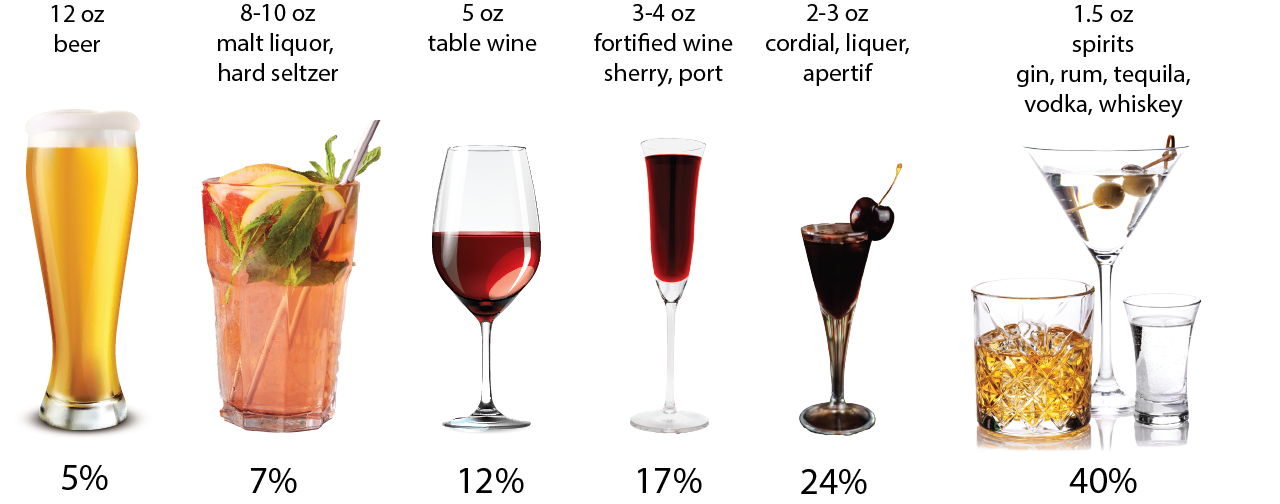
Moderate alcohol consumption, particularly of wine, may have a protective effect against Alzheimer’s disease, while excessive drinking significantly increases the risk. Excessive alcohol intake can lead to reduced brain volume and cognitive issues. It is essential to follow recommended guidelines for safe alcohol consumption and maintain a balanced, healthy lifestyle to reduce the risk of…
-
The Advent of Older Americans Embracing Technology to Improve Health

The author shares a poignant encounter with an elderly man interested in an Alzheimer’s health app, prompting her to reconsider its target audience. Drawing from personal experiences with dementia, she emphasizes the importance of prevention and the potential impact on the entire spectrum of Alzheimer’s and other dementias. The story reflects her deep commitment to…
-
Sleep to DIPS Alzheimer’s

Sleep is vital for overall health and significantly affects Alzheimer’s risk. Research shows inadequate sleep, especially in midlife, correlates with higher dementia rates. Sleep aids brain health by facilitating the clearance of harmful substances. Prioritizing quality sleep as part of a healthy lifestyle can help reduce Alzheimer’s and dementia risks.