
By Jessica Li
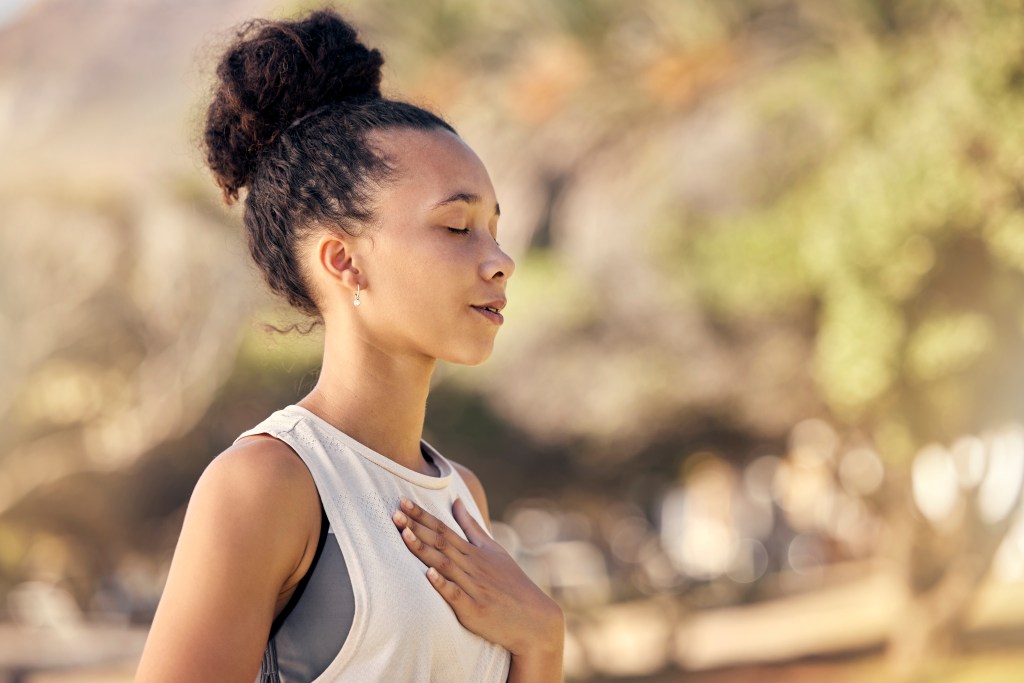
In today’s fast-paced world, stress and anxiety have become all too familiar companions in our daily lives. The demands of work, family, and personal responsibilities can leave us feeling overwhelmed and tense. While it may seem like a challenge to find relief, there’s a simple and effective solution right under your nose—literally. Deep breathing exercises can be a game-changer when it comes to managing stress and anxiety. The best part? You can practice them anywhere, anytime, and all you need is just five minutes. Let’s explore how deep breathing can transform your well-being.
Why Deep Breathing Works Wonders
Deep breathing is not just a relaxation technique; it’s a powerful tool that helps your body and mind find balance. Here’s why it works:
- Calming the Storm: Focusing on your breath allows you to slow down and filter out distracting thoughts and sensations that contribute to stress and anxiety.
- Taming Shallow Breathing: Without mindful attention, our breath can become shallow, meaning we don’t fully utilize our lung capacity. Shallow breathing can increase tension and anxiety.
- Turning Off Stress: Deep breathing helps deactivate the body’s natural stress response, preventing chronic stress, which can lead to health issues and poorer mental well-being.
- Preventing Illness: Lowering stress levels can bolster your immune system, reducing the risk of illnesses like colds and more severe health conditions, including Alzheimer’s.
- Managing the “Fight or Flight” Response: Deep breathing counteracts the constant activation of the stress response by everyday events, promoting better health and emotional well-being.
Unlocking the Relaxation Response
The relaxation response, a state of profound rest, can be elicited through techniques like deep breathing. This response was first developed in the 1970s by Dr. Herbert Benson at Harvard Medical School. It’s a way to counteract the negative effects of chronic stress.
Benefits of Deep Breathing
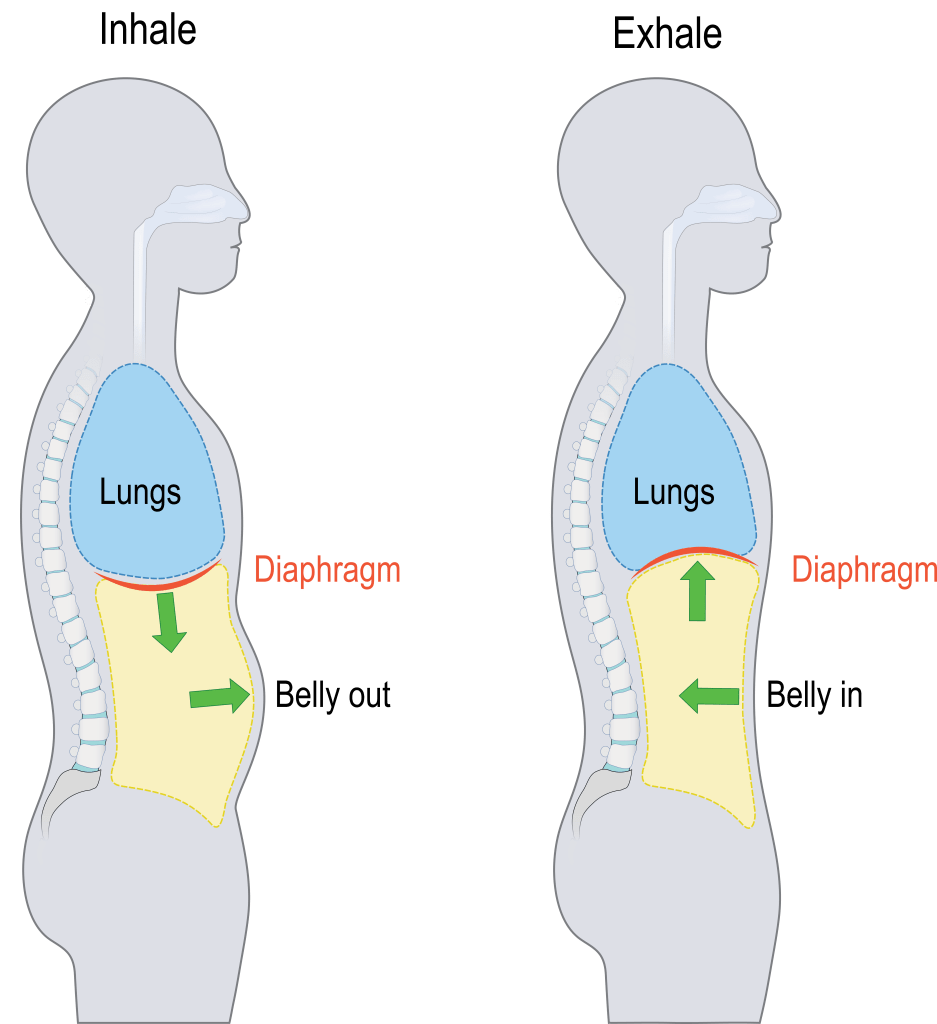
Deep breathing, also known as diaphragmatic or abdominal breathing, offers numerous benefits:
- Improved Oxygen Exchange: Deep breathing ensures that incoming oxygen fully fills your lungs, promoting better oxygen exchange and potentially stabilizing blood pressure and slowing the heartbeat.
- Stress Reduction: Deep abdominal breathing encourages relaxation, reducing stress levels and promoting a sense of calm.
- Anxiety Relief: Slower, deeper breaths can help alleviate anxiety and make you feel more in control.
- Enhanced Focus: Breath focus aids concentration and helps you disengage from distracting thoughts and sensations.
Getting Started: The Basics of Deep Breathing
- Find Your Zen Space: Begin by locating a quiet and comfortable place where you can sit, lie down, or stand without distractions.
- Close Your Eyes: Close your eyes to shut out external stimuli and help you focus inward.
- Take a Normal Breath: Start with a regular, unforced breath to settle in.
- Inhale Deeply: Inhale slowly and deeply through your nose, allowing your chest and lower belly to expand as your lungs fill with air.
- Exhale Slowly: Exhale gradually through your mouth, releasing any tension as you count to five. If it feels more natural, exhale through nose.
- Focus Your Mind: Blend deep breathing with imagery or a focus word or phrase that promotes relaxation.
- Repeat and Relax: Continue this deep breathing pattern for at least five minutes.
What does Deep Breathing have to do with Alz Meter?
Alz Meter’s slogan is DIPS Alzheimer’s with SLEDSS. One “S” in SLEDSS is for Stress management. Deep breathing is an excellent way to manage stress. DIPS = Delay, Improve, Prevent or Slow. SLEDSS = Sleep, Learning, Exercise, Diet, Stress management, and Social interaction.
References
We invite you to share your thoughts