
Jessica Li
In an aging world population, cognitive disorders like mild cognitive impairment (MCI) are on the rise. MCI, which affects 10–20% of adults aged 65 and older, serves as a bridge between normal cognitive aging and dementia. As we search for ways to prevent and treat these conditions, one key player in the cognitive health game is fish.
Omega-3 Fatty Acids and Brain Health
Omega-3 fatty acids, particularly docosahexaenoic acid (DHA), play a crucial role in maintaining optimal brain function. DHA is a preferred fatty acid for brain tissues and has been linked to improved memory and reduced cognitive decline. Research even suggests that DHA deficiencies increase the risk of Alzheimer’s disease.
DHA’s protective effects on the brain extend beyond memory. It contributes to maintaining gray matter and reducing white matter lesions, critical components of brain structure. The significance of DHA in brain health cannot be understated.
Consistency is Key
To harness the full potential of DHA for brain health, maintaining a consistent intake of DHA-rich foods is essential. While memory loss may not be immediately noticeable, a regular dose of DHA-rich foods can act as a safeguard for your brain’s future.
Recommended Fish Intake
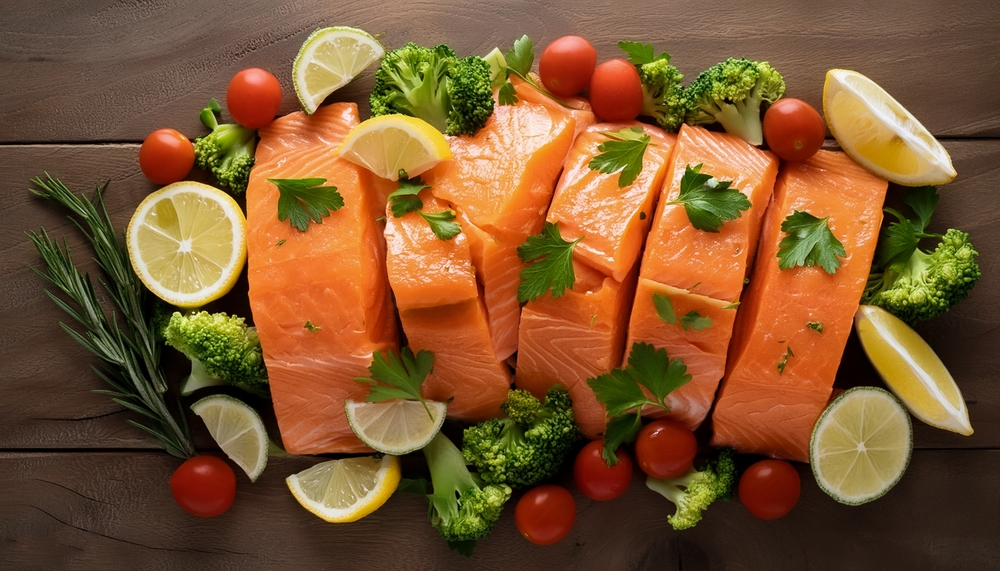
The 2020-2025 Dietary Guidelines for Americans advise adults to consume at least 8 ounces of seafood per week, equivalent to two 4-ounce servings. Oily fish like salmon, tuna, mackerel, herring, and trout are excellent sources of DHA. Grilling or broiling fish is recommended over deep frying to maintain lean protein. Opt for fish varieties with lower mercury levels, such as salmon or freshwater trout, and limit consumption of high-mercury options like shark and swordfish.
Benefits Beyond the Brain
Fish isn’t just a brain-boosting food; it’s also great for your heart. Compared to red meat, fish is lower in saturated fat and offers additional omega-3s, reducing the risk of heart disease.
Alternative Sources
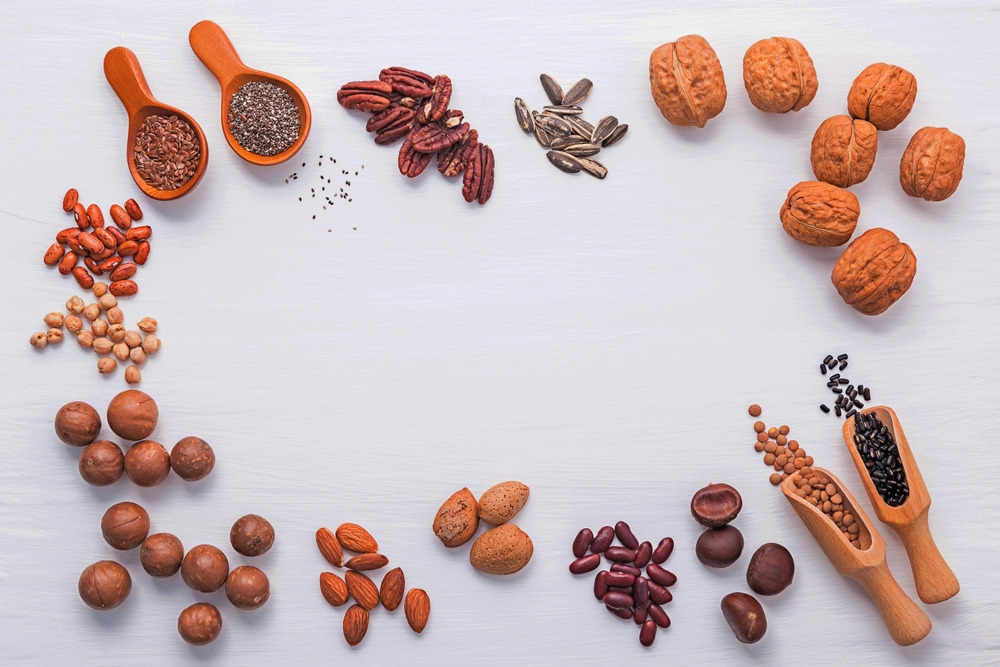
For vegetarians and vegans, obtaining DHA is still possible. Algae is a primary source of DHA, and vegetarian DHA supplements are available. Additionally, plant-based sources like ground flaxseed, walnuts, and chia seeds contain alpha-linolenic acid (ALA), which the body can convert into DHA. While this conversion is less efficient, it’s a valuable option for those following plant-based diets.
In Conclusion
Fish is not just a delicious meal but also a powerhouse of nutrients for your brain. Regular consumption of DHA-rich fish can contribute to improved memory, reduced cognitive decline, and better brain structure. So, when you’re planning your next meal, consider making fish a staple in your diet to nourish your brain and support your cognitive health.
References
https://www.ncbi.nlm.nih.gov/pmc/articles/PMC7103640
https://www.eatright.org/health/essential-nutrients/fats/brain-health-and-fish
https://www.ncbi.nlm.nih.gov/pmc/articles/PMC2805706/
https://www.uclahealth.org/news/diet-rich-in-fatty-fish-good-for-cognitive-function#:~:text=The%20research%20that%20has%20focused,brain%20volume%20and%20brain%20structure.
We invite you to share your thoughts