
Shruthi Ganapuram
The human brain is a marvel of evolution, constantly adapting and evolving to help us navigate our complex world. Thanks to advancements in neuroscience, we now know much more about how to protect and optimize brain health, from enhancing memory and learning to delaying cognitive decline. Here, we dive into some of the most fascinating neuroscience concepts that can help you nurture your brain and keep it functioning at its best.

1. Harness the Power of Neuroplasticity
One of the most exciting discoveries in modern neuroscience is neuroplasticity—the brain’s remarkable ability to reorganize and adapt throughout life. Contrary to the old belief that brain development ends in early adulthood, research shows that our brains can continue to grow and change well into old age. Neuroplasticity enables us to learn new skills, recover from brain injuries, and even improve cognitive abilities with intentional practice.
How to Boost Neuroplasticity:
- Learn a new skill: Whether it’s picking up a new language, playing an instrument, or learning to paint, challenging your brain promotes the formation of new neural pathways.
- Mental exercises: Engage in puzzles, memory games, and brain teasers to stimulate neuroplasticity and cognitive growth.
- Break routine: Changing your daily habits, such as taking a new route to work or using your non-dominant hand, can strengthen neural flexibility.
2. Build Cognitive Reserve for a Stronger Brain
Another important concept in brain health is cognitive reserve. This is the brain’s ability to compensate for damage or age-related changes by using alternative pathways to maintain normal function. Cognitive reserve explains why some people can have visible signs of neurodegenerative diseases, such as Alzheimer’s, yet show no symptoms of cognitive decline.
How to Build Cognitive Reserve:
- Stay mentally engaged: Lifelong learning, reading, and engaging in mentally stimulating activities help create new connections in the brain.
- Stay social: Interacting with others, whether through friendships, group activities, or volunteering, helps enhance cognitive reserve.
- Challenge your brain regularly: Problem-solving, debating, or taking on complex tasks at work are all great ways to challenge your brain and promote cognitive resilience.
3. Prioritize Sleep for Memory and Brain Repair
Sleep is often undervalued, yet it’s critical for brain health. During sleep, the brain consolidates memories, processes emotions, and clears out toxins that accumulate during the day. Memory consolidation—the process by which short-term memories are transformed into long-term ones—occurs primarily during deep sleep. Insufficient or poor-quality sleep impairs memory, concentration, and even mood regulation.
Tips for Better Sleep:
- Establish a routine: Go to bed and wake up at the same time every day, even on weekends, to regulate your body’s internal clock.
- Create a relaxing environment: A dark, cool, and quiet bedroom helps signal to your brain that it’s time to rest.
- Avoid screens before bed: The blue light emitted by phones and computers can interfere with your body’s production of melatonin, the sleep hormone.

4. Nourish the Brain Through the Gut-Brain Connection
The brain and gut are intricately linked through the gut-brain axis—a two-way communication system between the central nervous system and the enteric nervous system (which governs digestion). Research has shown that gut health can significantly impact mood, cognitive function, and even mental health disorders like anxiety and depression. A healthy gut microbiome, the collection of beneficial bacteria in your digestive system, plays a vital role in regulating neurotransmitters such as serotonin, which influences mood and cognition.
How to Support the Gut-Brain Connection:
- Eat a balanced diet: Include fiber-rich foods, healthy fats, and probiotics (found in yogurt, kefir, and fermented foods) to support a healthy gut microbiome.
- Limit processed foods and sugar: These can disrupt the gut microbiome and negatively impact both gut and brain health.
- Stay hydrated: Adequate water intake is essential for both digestion and cognitive function.

5. Reduce Stress for Better Cognitive Function
Chronic stress has a direct impact on brain health, particularly in areas like the hippocampus, which is crucial for learning and memory. Prolonged exposure to stress hormones, such as cortisol, can damage brain cells and shrink the hippocampus over time. Managing stress is essential not only for mental well-being but also for protecting long-term cognitive function.
Stress-Reduction Strategies:
- Mindfulness meditation: Practicing mindfulness can reduce stress and promote brain plasticity by improving focus and emotional regulation.
- Physical activity: Regular exercise is a natural stress reliever and boosts the production of endorphins, which enhance mood.
- Deep breathing techniques: Taking slow, deep breaths activates the body’s relaxation response, helping lower stress levels.

Final Thoughts: A Holistic Approach to Brain Health
Maintaining brain health is a lifelong journey, one that benefits from a multi-faceted approach. By engaging in new learning experiences, staying socially connected, getting enough sleep, nourishing your body with brain-boosting foods, and managing stress, you can build a more resilient brain. As neuroscience continues to uncover new insights into how our brains work, we are empowered to take better care of this essential organ and enjoy sharper thinking and mental agility well into the future.
By integrating these strategies into your daily routine, you can cultivate long-term cognitive wellness and protect your brain against the effects of aging. After all, a healthy brain is key to living a fulfilling, purposeful life.
References
https://www.sciencedirect.com/science/article/pii/S1877117315001362
https://www.ncbi.nlm.nih.gov/pmc/articles/PMC7586385
Our Affiliates
We curate products to help you on your journey to better health. Here’s a few that are relevant to this blog:
Oura Smart Ring
Health tracking wrapped around your finger — track your sleep, activity and recovery in style. Sleek, comfortable, accurate.

SkillShare
Online learning community with thousands of classes for creative and curious people, on topics including illustration, design, photography, video, freelancing, and more.
Samsung Smart Watch 4
SAMSUNG Galaxy Watch 4 40mm Smartwatch with ECG Monitor Tracker for Health, Fitness, Running, Sleep Cycles, GPS Fall.

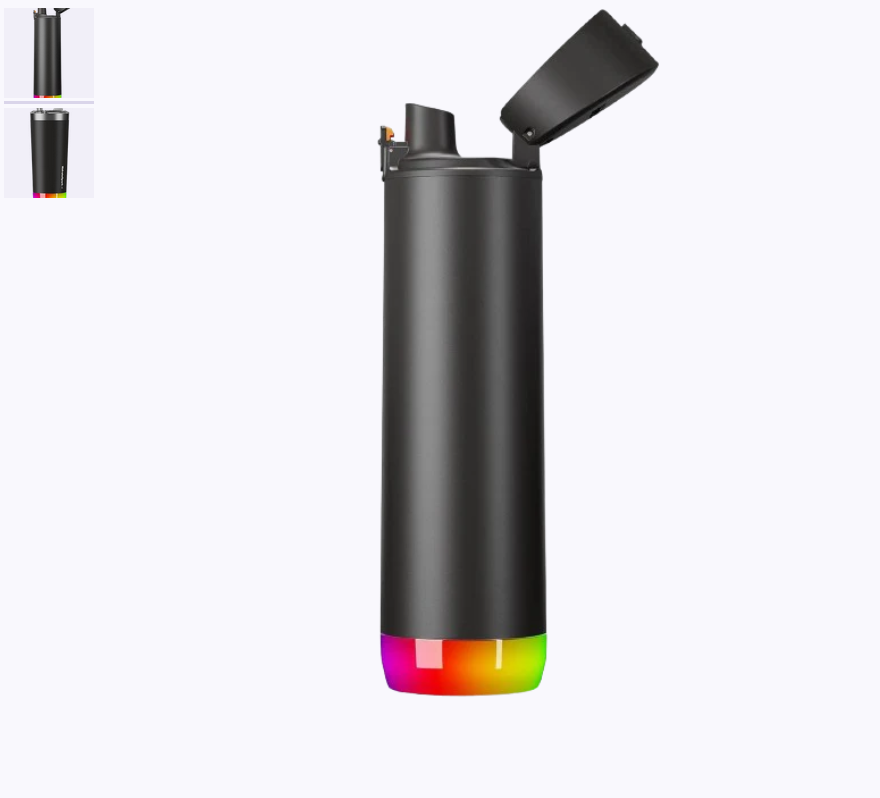
Hidrate Spark 20 oz Bluetooth Water Bottle
Hidrate Spark PRO Smart Water Bottle – Tracks Water Intake with Bluetooth, LED Glow Reminder When You Need to Drink.
Our Brain Health Kickstarter is Live! We’ve been working hard to bring this project to you, and we’re excited to share the first look with our subscribers. Support us on Kickstarter and be part of our journey!
Subscribe Now!
We invite you to share your thoughts