
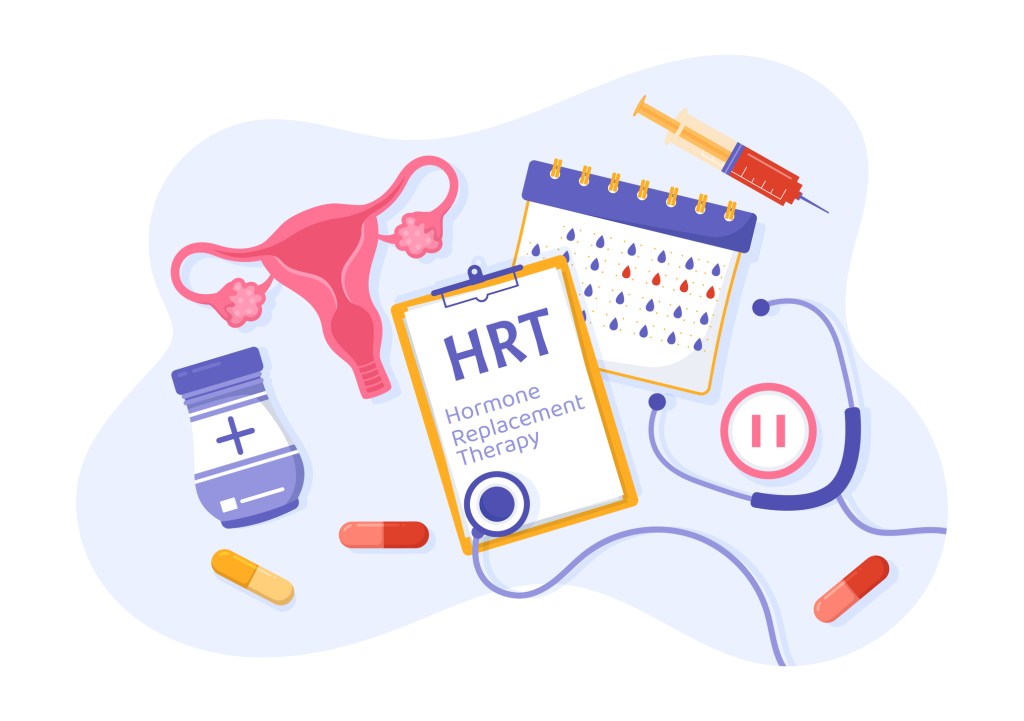
Menopause is a natural phase in life that marks the end of a woman’s reproductive years. By 2025, an estimated 1.1 billion women globally will be experiencing menopause. Of these, 85% will experience symptoms, 40-60% of those will seek treatment, and 20% will wait more than a year to do so (1). During this transition, estrogen and progesterone levels decline, leading to a wealth of vasomotor symptoms including hot flashes, mood changes, and sleep problems. Hormone Replacement Therapy has been introduced to aid in muting these symptoms, and improving the quality of life of menopausal women.
There are two types of Hormone Replacement Therapy.
Type 1: Estrogen Only – Estrogen therapy involves taking only estrogen. Healthcare providers most often prescribe a low dose of estrogen to begin with (2). Estrogen comes in many forms, like:
- Pills
- Gels
- Cream
- Tablets
- Patches
Type 2: Estrogen and Progesterone – This is more commonly suited for women who still have their uterus. The addition of progesterone in this therapy helps reduce the risk of cancers. The combination of these two can come in many forms such as:
- Pills
- IUDS
- Skin Patches
There are many benefits to HRT. Symptom relief has been the biggest one for women, and is considered the most effective treatment for this. Bringing more estrogen into your body at a time when it is being lost is extremely important to your bone health, and can prevent injury. Urinary discomfort, and even mood changes have been shown to improve from HRT.
While HRT has many benefits, it is important to recognize its risks. For women who start the process of HRT after they begin their menopause journey instead of beforehand, there could be higher risks of cardiovascular problems. When prescribing and evaluating if HRT might be a good fit, doctors need to recognize that this therapy is not a one size fits all scenario to ensure the safety of all women in this transition.
Is HRT right for me?
Deciding to undergo HRT is a very personal decision, and factors such as age and time since menopause began, family history, severity of symptoms, and risk factors should be taken into account. At Whole in One Health, we believe that being informed is essential to making empowered health decisions.
Sources
We invite you to share your thoughts