
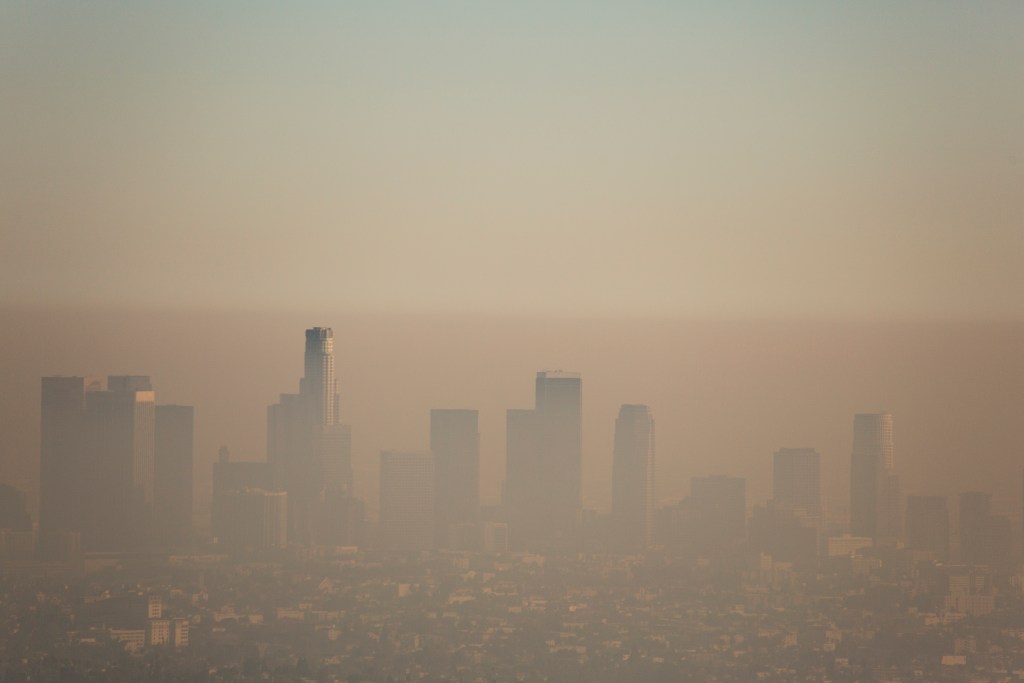
Air quality has a profound impact on our health. While we are often aware of its immediate effects like breathing difficulties, coughing, and heart-related risks, poor air quality can have lasting consequences, potentially shortening our lifespans and heightening the risk of serious conditions, including Alzheimer’s disease.
Life Expectancy The link between air pollution and health issues is more significant than many realize. A recent study by the University of Chicago reveals that exposure to particulates like PM2.5, prevalent in wildfire smoke, results in a global average life expectancy reduction of 2.2 years.
The Resilience Threshold Just as consistent unhealthy eating habits can gradually lead to health problems, chronic exposure to poor air quality can impair your health. Just as an unhealthy diet becomes a concern when it becomes the norm, consistent exposure to bad air days can compromise your well-being over time.
Insights from Research Recent studies have started to shed light on how brief exposure to heavily polluted air can influence long-term health. Pregnant women exposed to wildfire smoke during pregnancy show an increased risk of premature birth. Similarly, children exposed to wildfire smoke are more likely to face issues like reduced lung function and low birth weight, which correlate with lasting health challenges.
The Culprits and the Consequences Air pollution’s finer particles, like PM2.5, are minuscule enough to infiltrate the bloodstream and trigger inflammation, raising the risk of conditions such as lung and heart disease, stroke, diabetes, and even dementia. The size of these particles is about 30 times smaller than a human hair strand, underscoring their potential to infiltrate deep within our bodies.
Guidelines for Air Quality The Air Quality Life Index at the University of Chicago compares real-world conditions to World Health Organization (WHO) guidelines. The WHO recommends annual particulate matter concentrations no higher than 5 micrograms per cubic meter of air. Yet, the average U.S. concentration exceeds this guideline by roughly 2 micrograms. This subtle disparity leads to an estimated life expectancy loss of 0.2 years for Americans.
A Window to the Brain Research even suggests that fine particles can enter the brain, linking air quality to cognitive function. Studies on mice have demonstrated that polluted air exposure is associated with an increased risk of Alzheimer’s disease and memory loss. Therefore, long-term exposure to polluted air may compromise cognitive health.
Taking Action While it’s challenging to control pollution levels, there are steps you can take to minimize its impact. Consider relocating to areas with better air quality, like suburbs, and invest in indoor air purifiers to create a healthier indoor environment. On days with poor air quality, wearing N95 or KN95 masks and using indoor High Efficiency Particulate Air (HEPA) filters can significantly reduce exposure.
Long-Term Protection Ultimately, prioritizing fundamental health practices such as sufficient sleep, balanced nutrition, regular exercise, and mental stimulation can fortify your body against threats like air pollution. Just as resilient health helped individuals combat challenges during the pandemic, maintaining strong overall health can help mitigate the effects of air pollution in the long run.
Understanding the enduring impact of poor air quality on health underscores the importance of proactive measures. By staying informed, adopting healthy habits, and taking appropriate precautions, you can work towards safeguarding your well-being and extending your quality of life. Remember, every small action contributes to a healthier and more resilient you.
https://www.wsj.com/articles/air-quality-life-expectancy-1db62d94?mod=Searchresults_pos7&page=1
We invite you to share your thoughts