
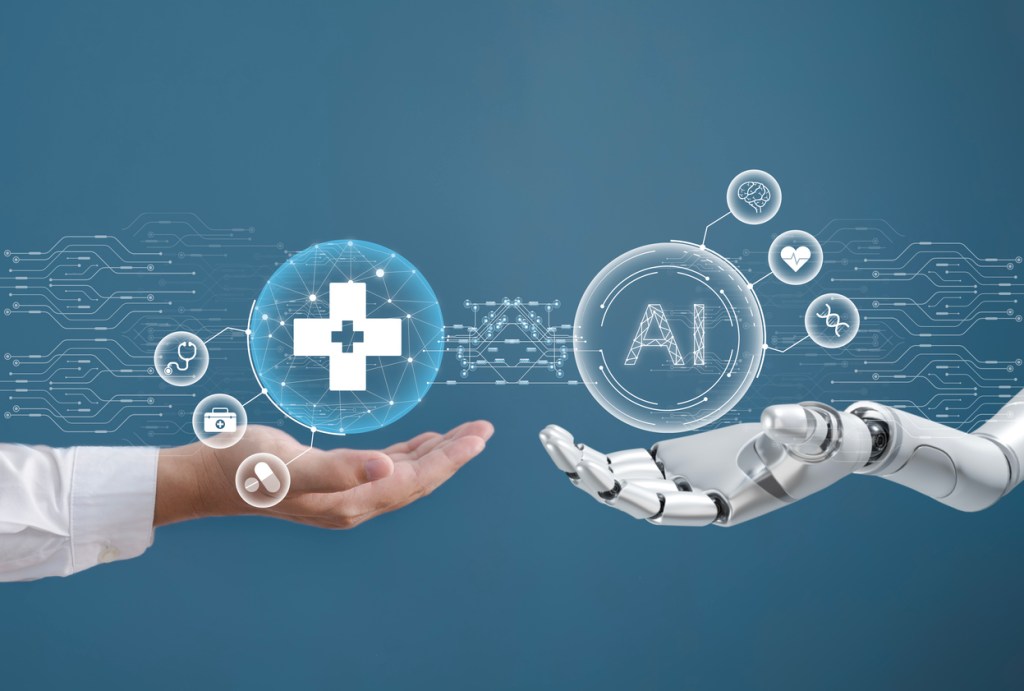
For decades, women’s health has remained an underexplored domain in medical research and clinical care. Women’s bodies and the conditions that uniquely affect them have long been overlooked in scientific literature, clinical trials, and data-driven innovation.(1)(2). The result is a healthcare system that reacts instead of anticipates, offering care that is often delayed, generalized, and not tailored to women’s specific physiological and psychosocial needs.
Artificial intelligence (AI), however, is beginning to change that narrative.
From fertility tracking and reproductive medicine to menopause and chronic pain management, AI is helping to bring clarity to complex and often misunderstood aspects of women’s health. Through the integration of diverse data streams and the identification of subtle patterns, AI enables more accurate, personalized, and preventive approaches to care.
Fragmentation, delay, and diagnostic bias:
Women are often misdiagnosed, or wait years, for answers when it comes to health conditions like endometriosis, PCOS (Polycystic Ovary Syndrome), or perimenopause. For example, it can take 7 to 10 years on average to get a diagnosis of endometriosis, even though many women report symptoms much earlier (3). Hormonal changes that affect mood, sleep, or memory are also frequently misunderstood or brushed off.
One major reason for these delays is that women’s health data is scattered. Medical records, period tracking apps, wearable devices, and doctor’s notes often exist on separate platforms that don’t work together. This makes it hard for healthcare providers to see the full picture. On top of that, most diagnostic tools weren’t designed with the unique, ever-changing nature of women’s bodies in mind (4).
This gap between what women are feeling and what healthcare systems actually detect is exactly where AI can step in and make a real difference.
The role of AI in women’s health:
Artificial intelligence (AI) has a powerful advantage: it can analyze large amounts of information from different sources and learn from it over time. In women’s health, this means AI can look at patterns across things like hormone levels, menstrual cycles, sleep habits, and mental health.
Here’s what AI can help do:
- Combine and make sense of long-term health data, such as symptoms tracked over weeks or months
- Spot early warning signs for conditions like gestational diabetes, postpartum depression, heart disease, or bone loss (5)
- Personalize treatment, suggesting what may work best for each person’s unique body and lifestyle
- Support decision-making, by turning raw symptom logs or wearable data into helpful, understandable insights
One clear example is in pregnancy prediction. A 2018 study found that AI could accurately predict the chances of getting pregnant by analyzing behavior and symptoms from over 79 million health app entries (6). In fertility care, AI is also being used to help doctors choose the most promising embryos during IVF, sometimes performing more consistently than humans alone (7). And when it comes to menopause, AI is helping researchers study how symptoms like hot flashes, anxiety, and sleep problems connect over time, and how they may be linked to future concerns like memory issues or depression (8).
At Whole In One Health, we believe that being informed is essential to making empowered health decisions. Tracking your symptoms isn’t just about logging numbers, it’s about taking back control and playing an active role in your health. AI can help turn that personal data into meaningful insight, so both you and your provider better understand what’s really happening in your body.
Toward a smarter and more inclusive future:
Using AI in women’s health is more than just a new tech trend, it’s a long-overdue step toward fixing years of neglect and underfunding in this field. Even though a law passed in 1993 (the NIH Revitalization Act) required that women be included in clinical trials, there are still major gaps in how women’s health is studied, understood, and treated today (2).
To make sure AI truly helps, not harms, several key values should shape how these tools are built and used:
- Representation: The data that trains AI systems must reflect the wide range of women’s bodies, health needs, and life stages
- Transparency: People should understand how AI tools make decisions, and those systems should be open to questions and review
- Ethical use: AI should help doctors and patients, not replace human care or intuition
- Empowerment: Women should have full access to their health data, and the tools they use should help them better understand and manage their own care
AI isn’t a magic fix for everything. But when developed thoughtfully, it can close the gap between what women feel and what healthcare systems can detect, making care more accurate, personalized, and fair for everyone.
Sources:
- https://www.gao.gov/products/gao-16-13
- https://doi.org/10.18549/PharmPract.2016.01.708
- https://www.fertstert.org/article/S0015-0282(06)03522-9/pdf
- https://www.abramsbooks.com/product/invisible-women_9781419729072/
- https://academic.oup.com/book/4549
- https://arxiv.org/abs/1812.02222
- https://aivf.ai
- https://doi.org/10.3390/jcm13020385
We invite you to share your thoughts